Unveiling the Significado De Domingo De Ramos: Palms, Humility, and the Gateway to Renewal
As the solemn season of Lent draws to a close, Christians worldwide turn their hearts and minds to a pivotal moment that ushers in Holy Week: Palm Sunday. Known in Spanish as Domingo de Ramos, this deeply significant day, observed on April 13th in 2025, commemorates Jesus Christ's triumphant entry into Jerusalem. Far more than just a historical recollection, the Significado De Domingo De Ramos is rich with symbolic meaning, offering profound lessons on faith, leadership, and the transient nature of human acclaim. It's a day that invites us to ponder the very essence of Christ's mission and our own spiritual journey.
This article delves into the core symbols of Palm Sunday – the waving palms, the humble donkey, and the overarching theme of faith's renewal – to illuminate its enduring relevance. We'll explore how this singular event, brimming with joy and acclamation, simultaneously foreshadows the suffering and sacrifice that define the sacred days to follow.
The Triumphal Entry: A Moment of Paradox and Prophecy
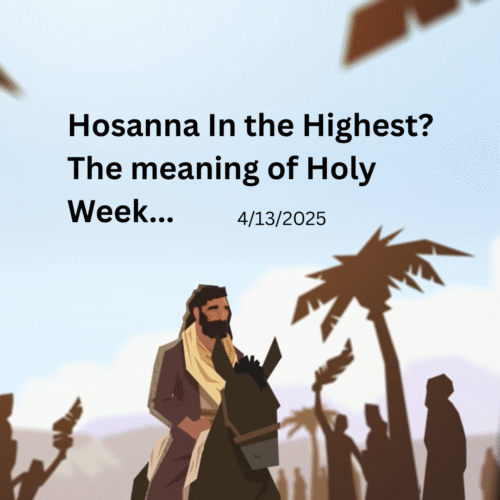
The Gospels (Matthew 21:1-11, Mark 11:1-11, Luke 19:28-44, John 12:12-19) vividly recount Jesus' arrival in Jerusalem. It was not the grand procession of a worldly king on a warhorse, but a humble entry, mounted on a young donkey. This deliberate choice immediately set the tone, fulfilling Old Testament prophecy (Zechariah 9:9) and signaling a different kind of sovereignty—one of peace and humility, not conquest. The crowds, recognizing him as the long-awaited Messiah, erupted in adoration, spreading their cloaks and palm branches on his path, crying out, "Hosanna to the Son of David! Blessed is he who comes in the name of the Lord!"
This outpouring of joy and recognition was a powerful affirmation of Jesus' identity. The people saw in him a liberator, a king who would overthrow Roman oppression. However, this same enthusiastic crowd, fueled by shifting political tides and misunderstanding of Jesus' spiritual kingdom, would, just days later, call for his crucifixion. This stark contrast highlights a core aspect of the Significado De Domingo De Ramos: the fleeting nature of human praise and the profound solitude Jesus faced on his path to ultimate sacrifice. It's a poignant reminder that true faith often requires looking beyond popular opinion and embracing the path of truth, however challenging. To understand more about this transformative day, explore The Profound Meaning of Palm Sunday: Start of Holy Week.
Palms: Banners of Hope, Victory, and a Call to Enduring Faith
The palm branches are perhaps the most iconic symbol of Palm Sunday. In ancient cultures, especially in the Near East and the Roman Empire, palms were potent emblems of victory, triumph, peace, and royalty. Victorious generals returning from battle were often greeted with palm branches, and they were used in festivals celebrating success. Therefore, when the people of Jerusalem waved palms and laid them before Jesus, they were undoubtedly hailing him as a conquering hero, their rightful king, the Messiah who would restore Israel's glory.
Beyond this initial jubilation, the palms carry a deeper, enduring spiritual meaning for Christians today. When blessed during Palm Sunday Mass, these branches symbolize a renewal of faith and a personal welcome of Jesus into our hearts and homes. They become tangible reminders of Christ's presence, offering a sense of protection and blessing throughout the year. Many traditions encourage parishioners to take their blessed palms home, placing them above doorways or on crucifixes, not as superstitious charms, but as constant visual cues to live out the renewed commitment made on this holy day. These blessed palms are often kept until the following Ash Wednesday, when they are burned to create the ashes used in the liturgy, completing a sacred cycle of remembrance and renewal. This journey from acclamation to sacrifice is a powerful narrative, as further explored in From Acclamation to Sacrifice: Palm Sunday's Powerful Story.
The Donkey: A Masterclass in Humble Leadership
Equally profound is the symbolism of the donkey. Unlike the warhorse, a symbol of military might and conquering power favored by earthly rulers, the donkey represents humility, peace, and servant leadership. Jesus' choice to ride a colt underscored his identity not as a political revolutionary, but as a spiritual king whose kingdom was "not of this world." It was a deliberate act, devoid of pomp and worldly ambition, yet brimming with spiritual authority and a clear message for his followers then and now.
The donkey invites us to reflect on the true nature of greatness. In a world that often equates leadership with power, wealth, and dominance, Jesus presented a radical counter-narrative. His "triumph" was not about asserting dominance, but about embodying service and self-giving love, a path that would ultimately lead to the cross. The humble donkey, therefore, is a powerful symbol for us all to embrace humility, prioritize service over self-interest, and recognize the quiet strength found in genuine selflessness.
Faith's Renewal and Personal Reflection on Palm Sunday
The Significado De Domingo De Ramos extends far beyond a historical commemoration; it is an annual invitation for profound personal reflection and spiritual renewal. It asks us to consider our own hearts: Do we truly welcome Christ as our King, or do we allow worldly pressures and fleeting desires to sway our allegiances? Do we recognize the hand of God at work in our lives, not just in grand moments, but in the quiet, sustaining grace of everyday existence?
Just as life itself is a precious gift from God, as we are reminded through various scriptural insights, so too is the opportunity for continuous spiritual growth. God, who brings us into existence and sustains us, also works through the ordinary and extraordinary circumstances of our lives. Palm Sunday provides a moment to acknowledge this divine presence and to reaffirm our commitment to a life of faith. The tradition of blessing palms serves as a tangible reminder of this enduring connection, encouraging believers to:
- Engage in personal prayer: Reflect on Jesus' journey and what it means for your own life.
- Practice humility: Consider where pride might be hindering your spiritual growth and strive for a more servant-hearted approach.
- Renew your commitment: Use the blessed palm as a physical reminder to welcome Christ into all aspects of your life daily.
- Contemplate sacrifice: Prepare your heart for the somber events of Holy Week by reflecting on the ultimate sacrifice Jesus made.
This day encourages us to recognize that God continuously works with and for us, even during periods of apparent challenge or solitude. It’s all part of the spiritual gestation that shapes our journey on earth, preparing us for eternal life. The presence of the blessed palm in our homes acts as a constant symbol of this divine sustenance and protection, a visible anchor in our faith.
Conclusion: Embracing the Full Significado De Domingo De Ramos
The Significado De Domingo De Ramos is a multi-layered tapestry woven with joy, paradox, and profound spiritual truth. It is a day that calls us to celebrate Jesus as our King, yet challenges us to embrace his model of humble leadership. It reminds us of the fickle nature of human praise, urging us instead to cultivate an unwavering faith rooted in understanding and commitment. As we wave our palms, whether literally or figuratively, we are invited to open our hearts anew, to welcome Christ not just as a historical figure, but as a living presence who continually sustains and transforms us. Palm Sunday serves as a powerful and beautiful gateway, preparing our souls for the sacred journey through Holy Week and towards the glorious promise of Easter.